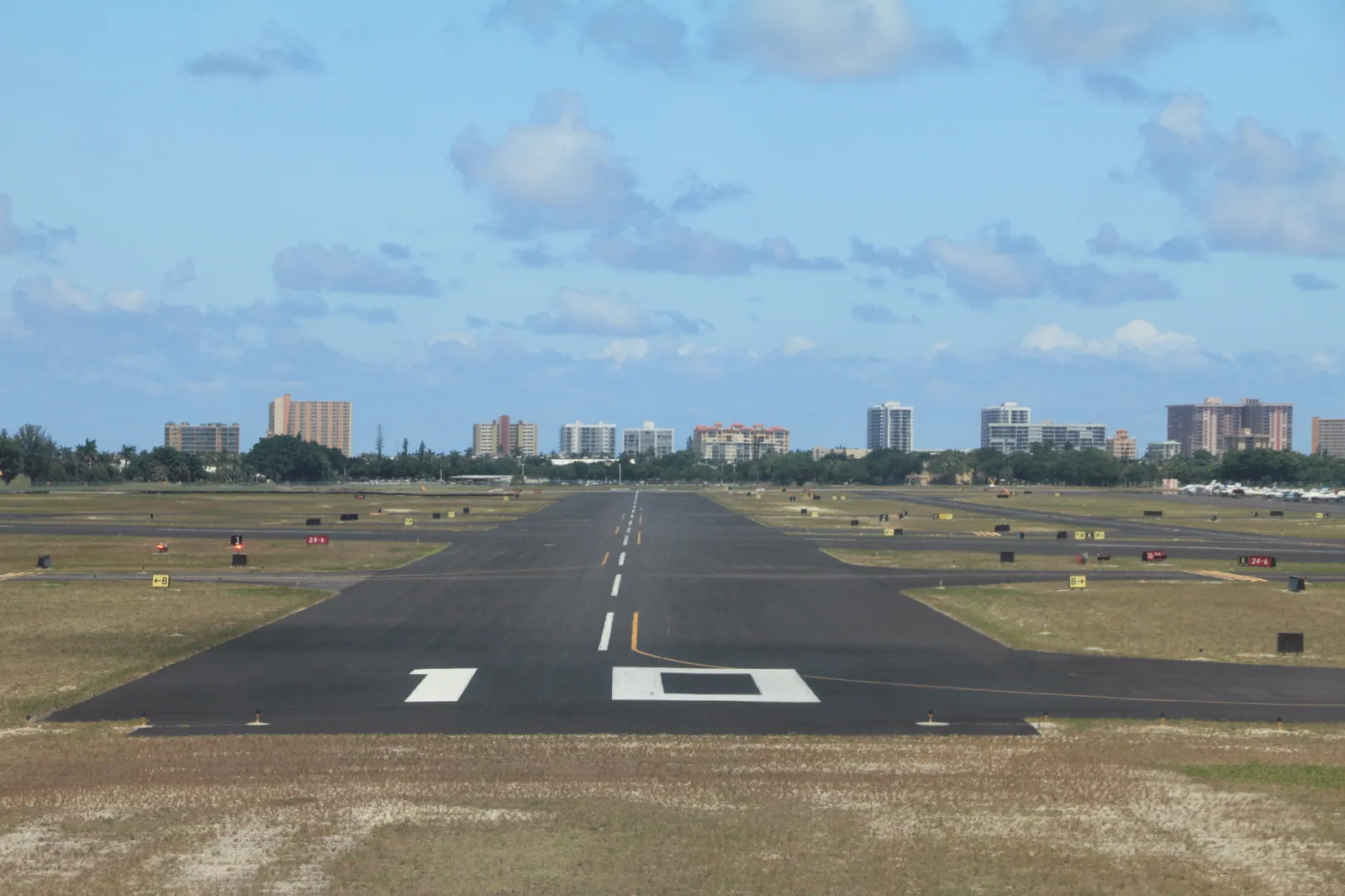
Commissioners voted 6-0 for a new Airpark noise map, about $400,000 to $450,000 and six months of work, before deciding on the full $1 million FAA study.
Pompano Beach will update the noise map for Pompano Beach Airpark before it decides whether to pay for a full federal noise study. The City Commission voted 6-0 for the update on Oct. 13.
The vote is recorded in the commission’s minutes for that meeting, now marked final in the city’s legislative record for the Oct. 13 meeting. The agenda item had asked about a full FAA Part 150 study, with a fiscal impact of $1 million. We previewed that item before the meeting.
What the commission approved
Mayor Rex Hardin moved to direct staff to get an updated noise contour study, also called a Noise Exposure Map. Vice Mayor Alison Fournier seconded the motion.
Public Works Director Rob McCaughan gave these figures, according to the minutes:
- Cost of the map update: about $400,000 to $450,000
- Federal share, if a grant is won: up to 90%, leaving about $40,000 to $45,000 for the Airpark
- Time: about six months of study work, estimated by the consultant Kimley-Horn
- Grant timing: separate from the six months, and not guaranteed
McCaughan said FAA money is competitive and the Airpark has not won every grant it applied for. He said the city’s funding commitment would come back to the commission for a vote.
The current map dates from 2016. McCaughan said its 65 DNL noise contour, the level the FAA treats as incompatible with homes, stays inside Airpark property.
Why not the full study now
A Part 150 study has two parts: the Noise Exposure Map, then a Noise Compatibility Program that sets out ways to cut noise. McCaughan put the full study at more than $1 million.
Tom O’Donnell of Kimley-Horn said Airpark staff and the consultants met FAA representatives on Sept. 29, 2026. He said the FAA recommended updating the map first. He said the map update should compete better for a grant than the full study, and would not need to be redone if the city went on to the rest.
He also said fewer flights now use the Airpark than at the last study. The new contours may stay inside the Airpark or shrink, he said. If they do, federal money for further steps is unlikely.
The debate
Commissioner Audrey Fesik asked the mayor to amend the motion to authorize the full Part 150 study. He declined. She also asked that the direction name the surrounding neighborhoods. The mayor declined that too, saying qualified professionals would set the study area under FAA standards. Fesik said she would pursue the broader study separately. She still voted yes.
Fournier said the phased approach gets current data before the city commits to the full expense. If the map shows impacts above FAA thresholds, she said, the city can go further.
Residents who spoke during public comment mostly asked for the full study. They described overflights, flight training and late-night noise. The chairman of the Airpark Advisory Board backed doing the map first.
Commissioners Beverly Perkins, Rhonda Sigerson-Eaton and Darlene Smith also voted yes.
What it means for you
- No noise relief yet: money for soundproofing or other measures depends on what the new map shows. McCaughan said approving a study does not by itself make any home eligible.
- Report noise: O’Donnell said flight-tracking apps show a plane’s registration number, which helps a complaint reach the operator. The Airpark records complaints and presents them to the Airpark Advisory Board.
- Pilot practices: O’Donnell said the Airpark’s voluntary noise abatement procedures could be reviewed, and suggested community workshops.
- Next step: the grant application and the city’s share return to the commission. We will report when they do.
If you live near the Airpark, neighborhoods that border it include Cresthaven and Avalon Harbor. City business is tracked on our building permits and zoning page and in who to call at City Hall.
Have your say